A local faith, passed down through generations
Our History
Built and cared for by villagers, the temple carries the faith, memories and human connections of So Kwun Wat.
Renewed through time.
Sustained by its community.
So Kwun Wat Kwan Shing Temple is in Tuen Mun, Hong Kong. According to records supplied by villagers, it was established in the early Qing dynasty by villagers of the Chan, Lee and Ching families.
The same records describe renovations in 1898, 1990 and 2022. Local villagers continue to operate the temple and welcome visitors today.
One temple · Two moments in time
From then to now.
A changing appearance.
An enduring tradition.
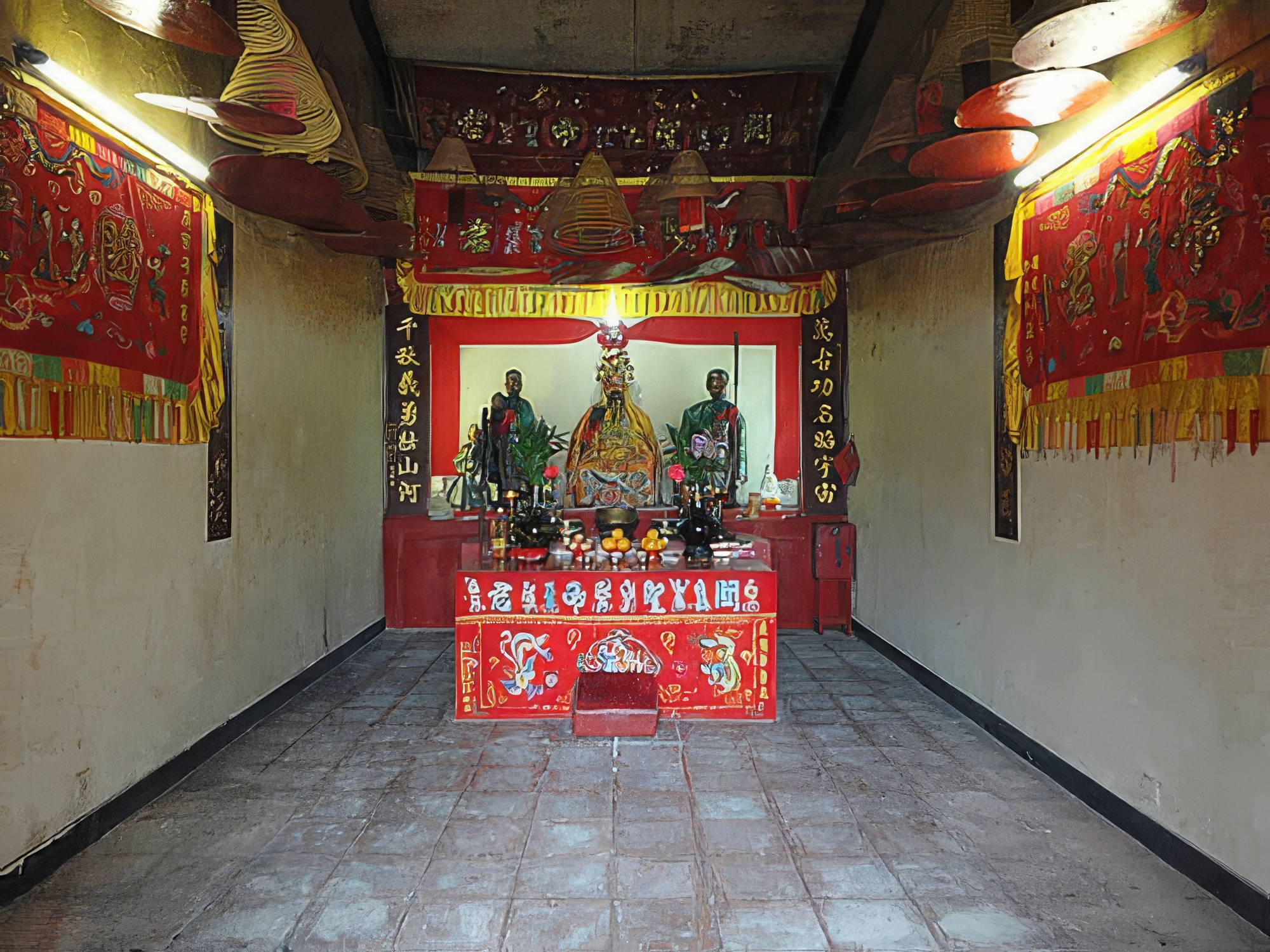
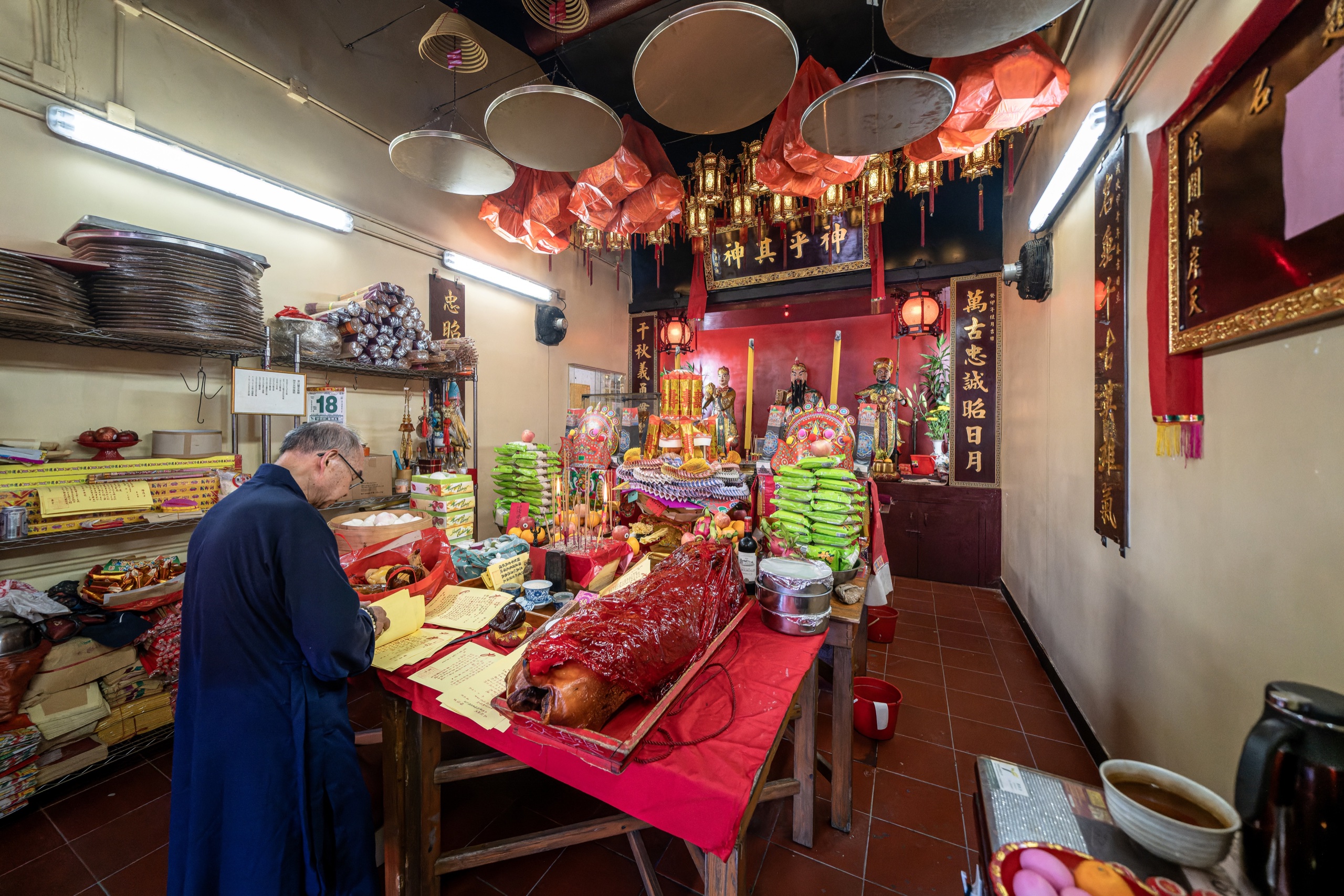
Then Scroll to let the two moments overlap
An enlarged historical photograph supplied by a visitor; date unconfirmed. The photographs were taken from different angles. The recent view is from 2025.
Kwan Tai Festival · Faith and community
A celebration shared
with the neighbourhood.
In Hong Kong, Kwan Tai’s birthday is generally celebrated on the 24th day of the sixth lunar month, with customs varying between villages. Photographs from the temple’s 2025 festival record incense offerings, traditional rituals and lion dancing.
The gathering gives thanks and keeps local traditions and relationships alive. Please confirm each year’s dates, rituals and participation arrangements with the temple.
Festival background: Countryside Conservation Office record (Chinese) ↗
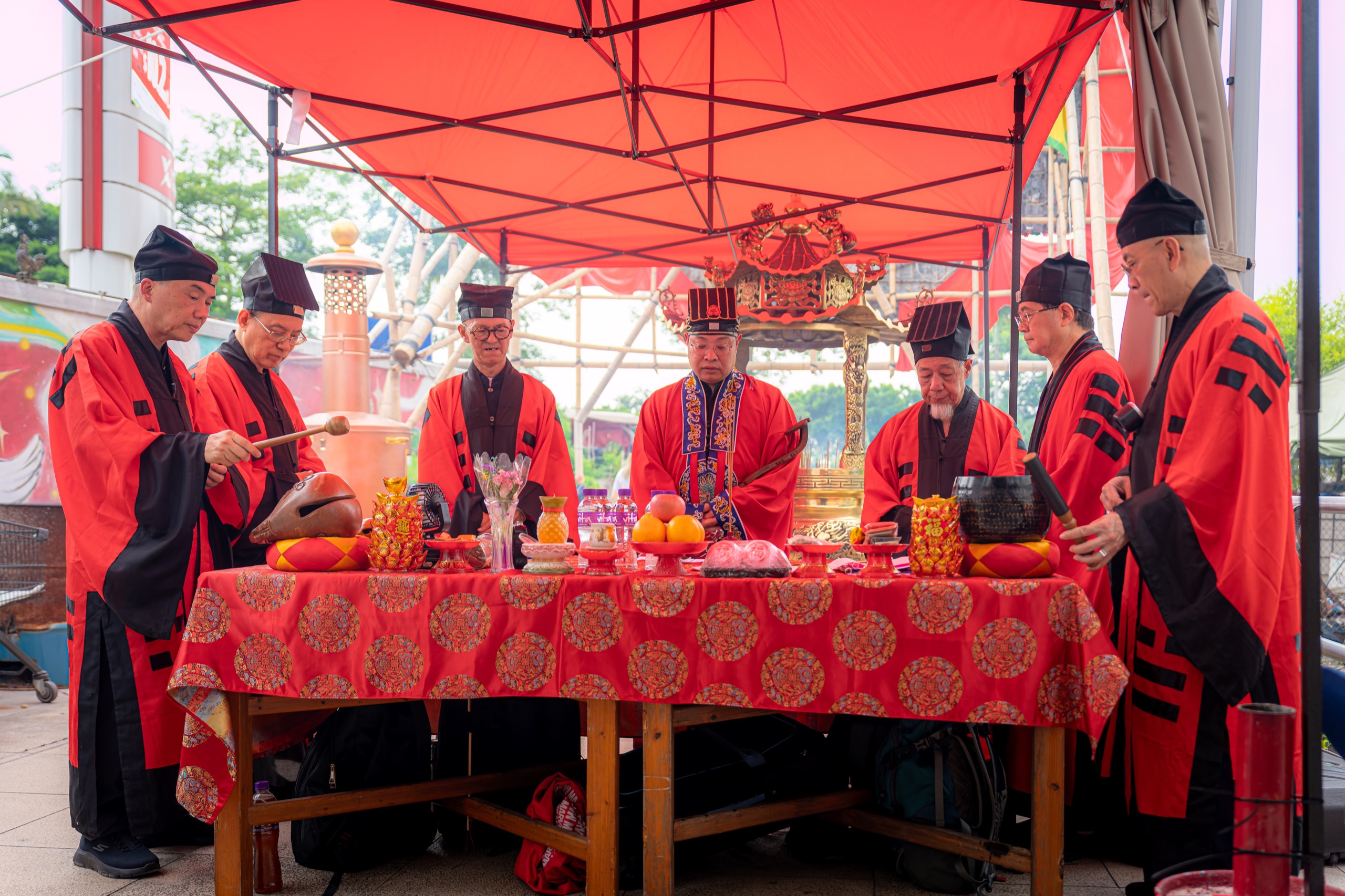
Kwan Tai Festival 2025 · A photographic record
Kwan Tai Festival 2025 · Photographed at the temple
Kwan Tai Festival · A shared tradition
From preparing displays to making offerings, these moments record a celebration shared by the community.
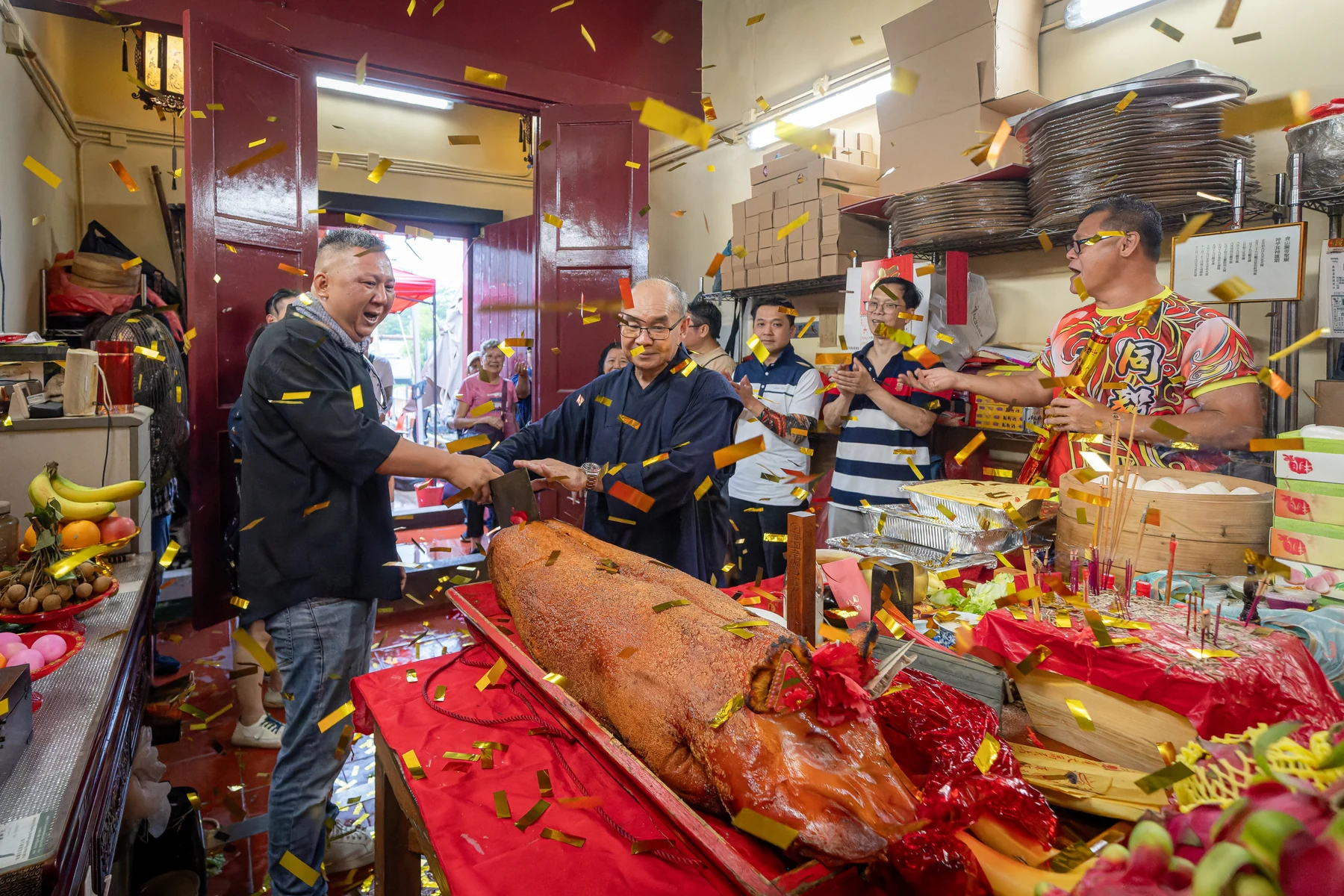
A shared offering
Visitors and the temple master taking part in an offering ritual during the Kwan Tai Festival.
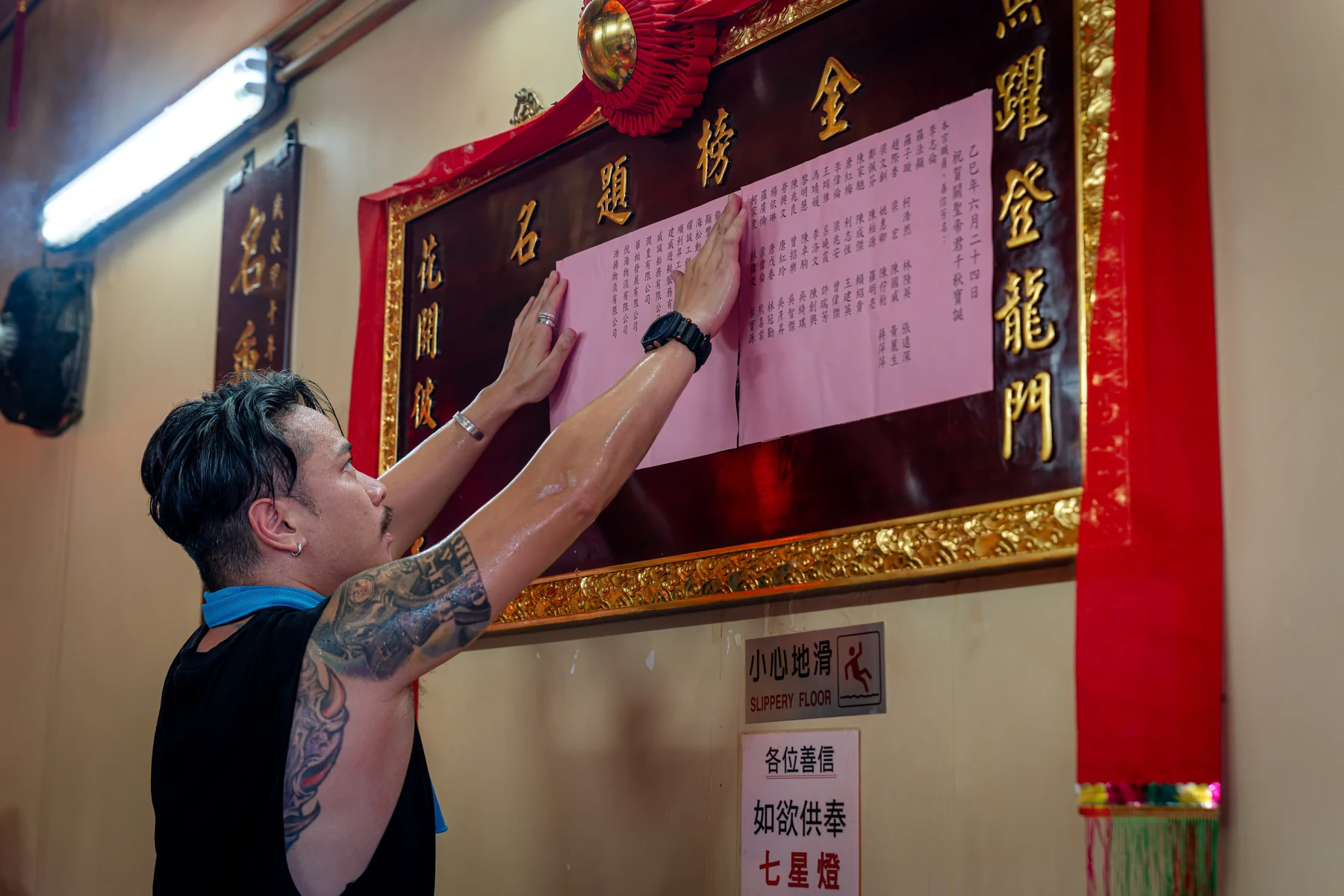
Many hands, one tradition
A visitor helping to arrange and display a name list inside the temple.
Open a photo to view it larger.
A brief timeline
Founded by three families
According to village records, the Chan, Lee and Ching families established the temple.
Renovation
The temple was renewed to continue its local worship tradition.
Renovation
Another renewal preserved the temple and its traditions.
Renovation
Further work continued the care of the temple.
Operated by villagers
Local villagers carry the tradition forward and welcome visitors.
Historical information follows village records provided by the temple.